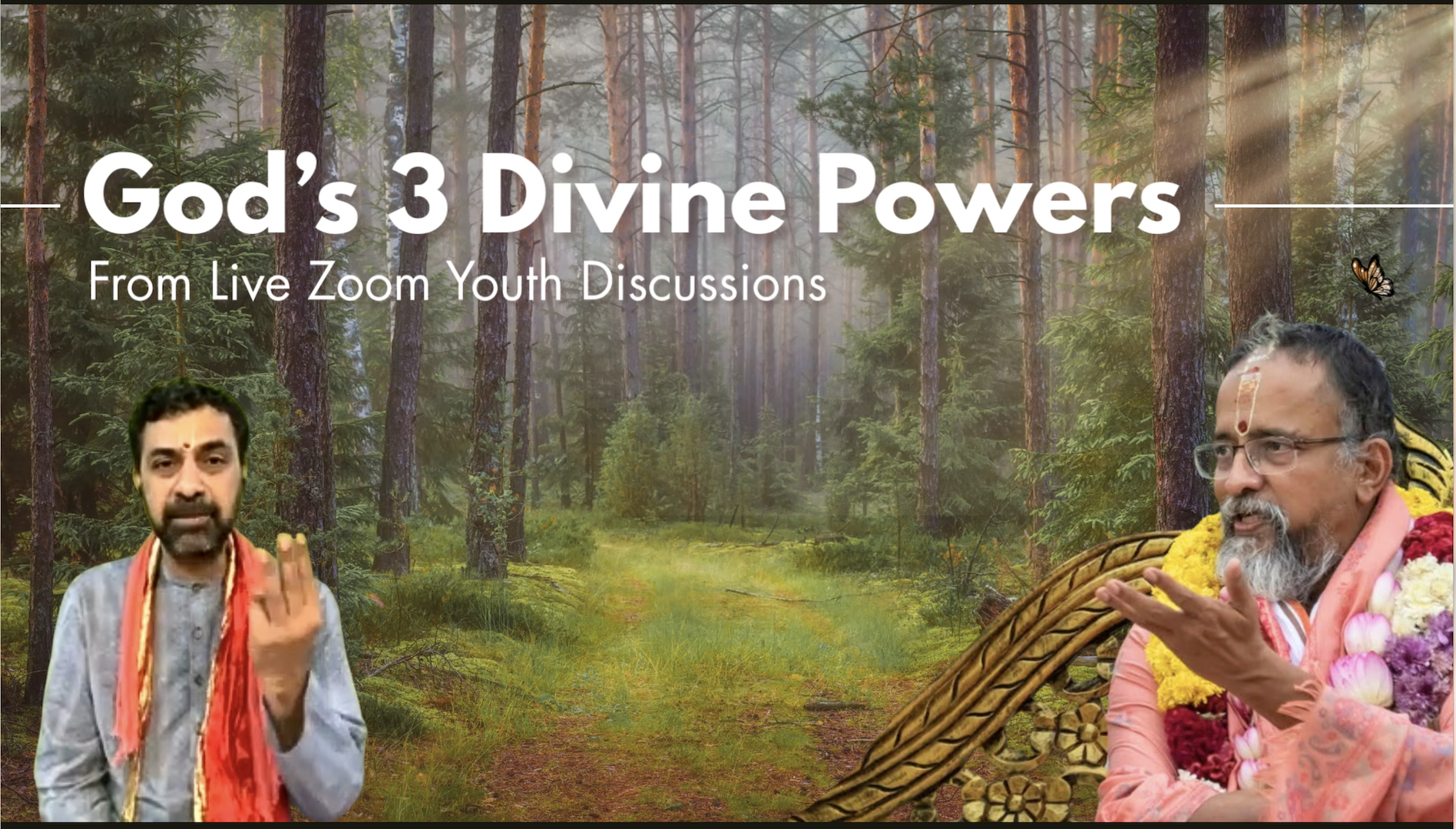
Every creation begins with a spark. That spark, along with the knowledge to shape it and the effort to bring it to life, is what makes anything possible. In Sanatana Dharma (Hindu) philosophy, these are known as the three essential powers: Desire (Ichcha Shakti), Knowledge (Jnana Shakti), and Action (Kriya Shakti). While the root of this concept is philosophical, it is also actually deeply connected to the way we all make, build, and accomplish things every day.
Understanding the Three Powers
1. Desire (Ichcha Shakti): This is the wish or motivation to do something. Without truly wanting to achieve something, nothing gets started.
2. Knowledge (Jnana Shakti): This is knowing how to do what you want. It means
understanding the steps, having a plan, and knowing the best way to reach your goal.
3. Action (Kriya Shakti): This is putting your plan into motion. You actually do the work, whether that’s building, drawing, writing, or anything else.
A Real-Life Example
Imagine you want to build a model airplane from a kit:
● First, you have to want to build it (desire).
● Next, you need to read the instructions or know how to put the pieces together
(knowledge).
● Finally, you actually assemble the plane, step by step (action).
If you’re missing even one of these powers, you probably won’t finish the project.
This Concept in the Core of Sanatana Dharma
These three powers are seen as part of the universe and are related to different gods:
● Bhagavan is said to have consorts (wives), each representing one of
these powers: Neela Devi (desire), Sri Devi (knowledge), and Bhu Devi (action).
● When it’s time for creation, these powers come together as Brahma, who creates the
universe.
● For keeping the world safe and running smoothly, these powers work as Vishnu.
● When things need to end, they work through Shiva, who is responsible for dissolution.
What this philosophy ultimately reveals is that the process of creation is not random or chaotic. Instead, it follows a timeless pattern—a sequence of desiring,
knowing, and doing—that echoes across the universe and in our own lives. By
recognizing this, we can understand that every creative act, whether divine or human, is part of a larger cosmic rhythm.
We Mirror the Universe
What’s really interesting is that these same three powers are in us, too. Every time you create, solve a problem, or finish a project, you’re using desire, knowledge, and action. On the surface, these concepts might seem abstract, but at their core, they describe a universal process that guides both cosmic events and ordinary human efforts.
Whether we are building something tangible, developing a new idea, or simply making a
decision, we rely on the motivation to act, the wisdom to know how, and the energy to carry it out. Recognizing this triad in our own lives helps us see that the line between the divine and the everyday isn’t as distant as we might think.
In fact, by consciously engaging our desire, knowledge, and action, we participate in a process that is both timeless and universal. This perspective encourages us to approach even our smallest tasks with greater awareness and purpose, understanding that the forces that shape the universe.
The Big Idea
No matter how small or big the task, from making breakfast to creating worlds, the process is the same: you have to want to do it, know how to do it, and actually do it. This idea connects our everyday experiences to some of the oldest and deepest stories about how the universe works.
In summary, the three powers of desire, knowledge, and action are not just ancient
philosophy—they’re universal truths that help explain how anything gets created.
Watch the full video here: https://youtu.be/Puk0AeuPw_s?si=I6pilSeK1htH8wJL
Diya Jagadeesh, California Bay Area
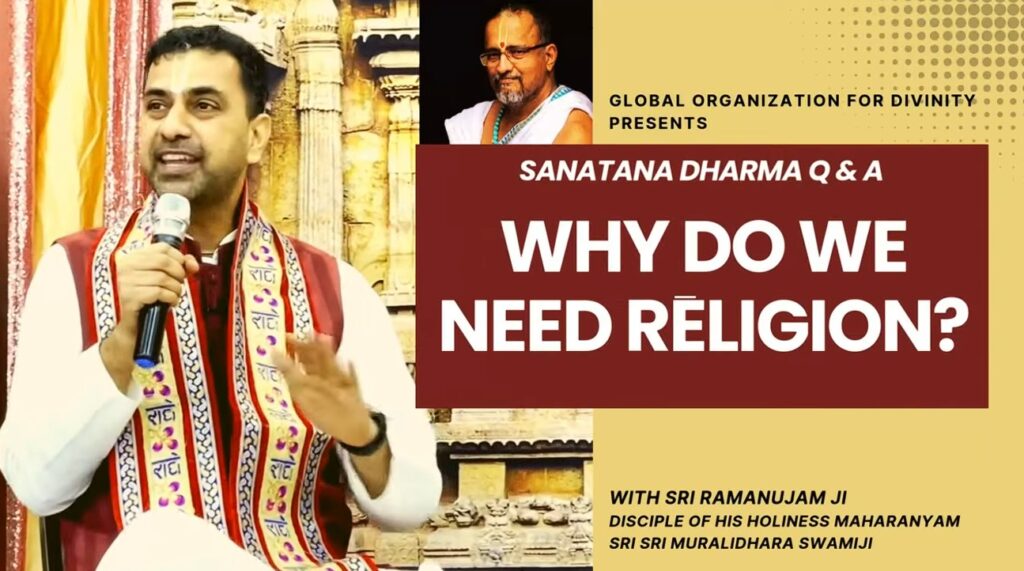
Based on Yuva discussions by Sri Ramanujamji
**************************************************
Click here to go back to Mar 2026 newsletter contents page:
https://godivinity.org/newsletters/nama-dwaar-newsletter-march-2026/