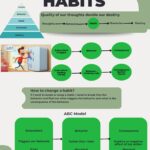
In a recent Yuva Intelligent Living session, Sri Ramuji spoke about how to deal with anxiety and worry. Going back over what he spoke about last time, he reinstates how re-springing means going back to our normal self after facing a challenge.
Our mental state is a mix of both our genetics and the environment and situation around us. But how do we address anxiety before it becomes a habit for us?
Sri Ramuji brings up an example from a conversation with Sri Guruji where he explains that if you tackle anxiety before it becomes a big part of your life, you can build in resilience against it and be able to face more challenges.
We tend to solely focus on things that worry us, trying to get back to normal all the time whenever faced with a difficulty. Worry narrows our attention and takes us away from the things that are important by thinking about what might go wrong, in an endless loop.
But how do we deal with this worry?
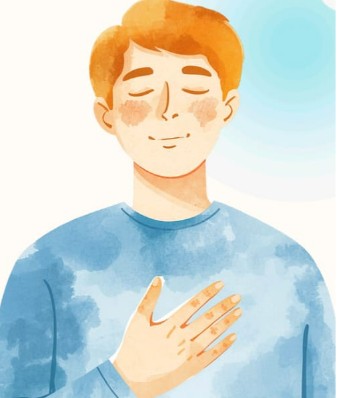 One way to subside worry is gratitude. Gratitude counteracts worry by diverting attention to support and broadening our perspective. Gratitude can bring in hope, focusing on things that can and are going right, unlike worry, which focuses on things that might go wrong. But, this does not mean replace worry with gratitude. As he quoted from psychologists, hold these two side by side. This allows us to deal with fear more easily, see things from different perspectives, and improve our ability to respond.
Sri Ramuji then taught an exercise to think through all these things.
First, when a worried thought arises, step back and stop to write it down clearly and concisely. Writing it down instead of just thinking about it can give us a lot of clarity and thought into this worry, and it will also calm us down a little bit. Make sure not to judge or overthink the worry as we write it down. Just describe it as it is, simply and clearly.
Next, think about the life area where this worry is happening. For example, it could be related to relationships, family, friends, finances, health, etc. This will help organize our thoughts.
The third step is to find a gratitude point. This means to shift your focus to something that we are grateful for in the same life area that we had identified. It could be something like a person, an incident, an opportunity, etc.
Finally, combine these two thoughts together. “I am worried about this, and I am grateful about this.” Putting these two together can help the worry not feel as big and show that it is at the same place as the gratitude.
An example exercise that Sri Ramuji gave is: “I am worried about missing the deadline, and at the same time, I am grateful that I have priorities to focus on today.”
Now, you can reflect on this statement when you have this worry, and it can help you feel more grounded and powerful. It can help bring a structure into the way that we care about ourselves.
The class then broke into small groups to practice this exercise using their own real worries. Some common ones were upcoming exams, college applications, and job interviews. When the groups came back together, one quote that stood out was: “A worry is like a stone. Hold it close to your eye and it blocks your whole view, but hold it far enough away and you realize it’s just a pebble.” Sri Ramuji wrapped up by reminding everyone that gratitude does not solve our problems, but it gives us the clarity to figure out our next step. And sometimes, that is all we need.
Srinidhi Vijay Nenmeni
Atlanta, GA
**************************************************
Click here to go back to May 2026 newsletter contents page:
https://godivinity.org/newsletters/nama-dwaar-newsletter-may-2026/